Comparison
Kobo vs Meebook: an established ecosystem against an unproven — but experienced — team
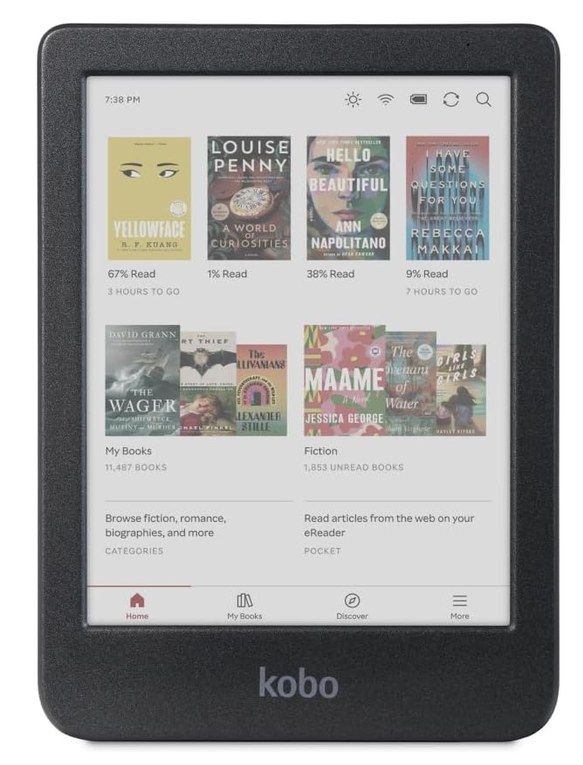
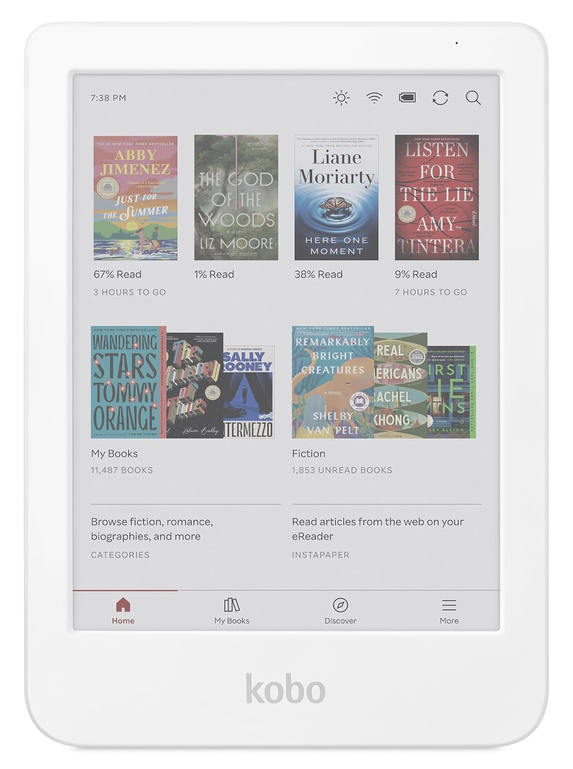
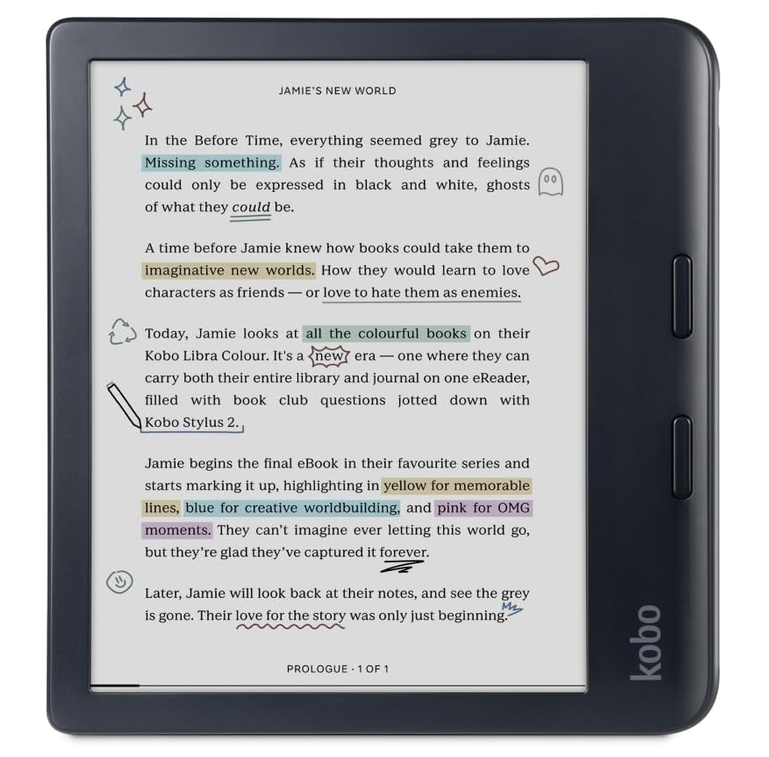
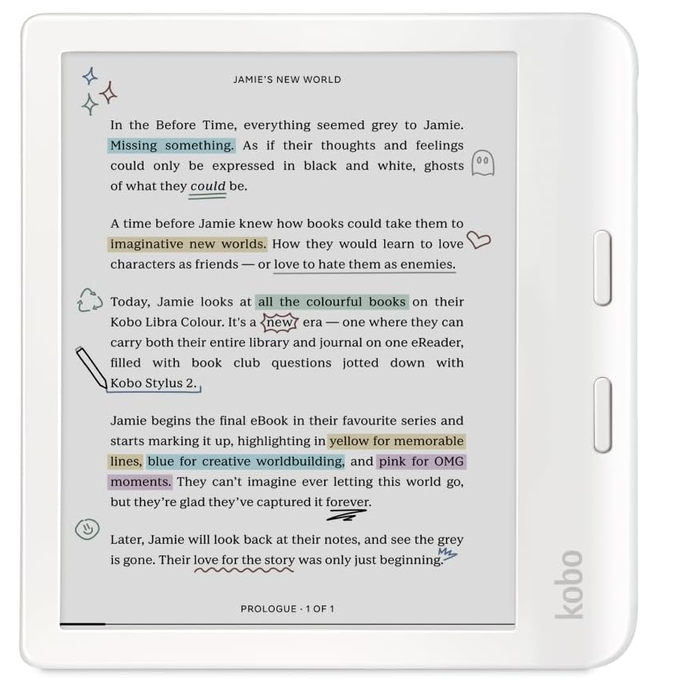
Kobo comes with a bookstore, a library-loan pipeline, and a named warranty document. Meebook comes with Android flexibility, a lower published price tier, and no public warranty page at all.
| | Kobo | Meebook |
|---|
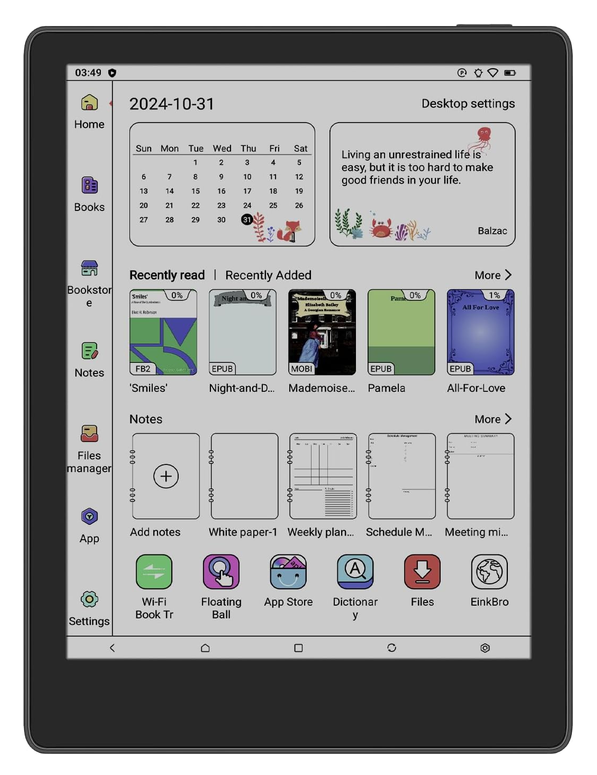
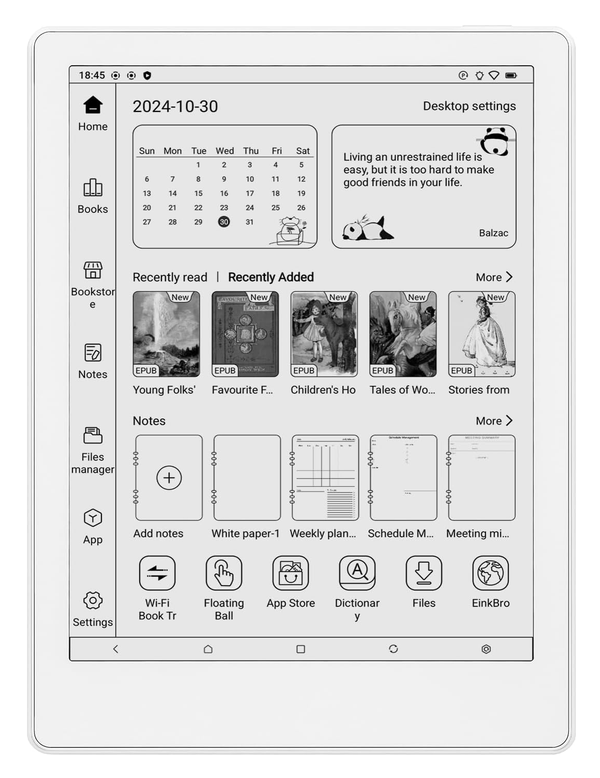
| What it fundamentally is | A dedicated reading device tied to Kobo's bookstore and OverDrive/Libby library loans | An Android E Ink tablet, unattached to any particular bookstore |
|---|
| Company | Rakuten Kobo Inc. — Rakuten subsidiary since 2012, founded as Shortcovers in 2009 | Haoqingtech — founded 2021 by former Boyue/Likebook staff, not a rebrand of that company |
|---|
| Return window (brand's own store) | 45 days from date of purchase | Not published |
|---|
| Hardware warranty | 1 year (Kobo's own "One (1) Year Limited Warranty" document) | Not published |
|---|
| App ecosystem | Kobo's own store plus library-loan integration; not built for sideloading | Open Android — install whichever reading apps you already use |
|---|
What actually separates these two
Kobo and Meebook aren't really rivals in positioning — Kobo is selling a bookstore-plus-hardware bundle, Meebook is selling open-platform Android hardware at a different price point. The comparison that matters isn't screen specs; it's how much you can verify about each company before you buy. Kobo has thirteen years as a Rakuten subsidiary and a citable warranty document. Meebook has a founding team with real device experience from the Likebook years, working under a company that's a few years old and hasn't published a warranty policy of its own.
The policy layer, honestly
Both brands are sold to you here through a retailer listing, so that retailer's own return window is your practical protection either way in the short term. Past that window, Kobo hands you a named one-year warranty document to point to. Meebook doesn't currently have an equivalent public document — if something fails after the retailer's return period closes, you're relying on direct contact with the seller rather than a policy you could have read in advance.
Pick Kobo if
- You want a company with a long, documented policy trail — 45-day returns, a named warranty document — even if you're buying through a retailer listing
- Library ebook borrowing through OverDrive/Libby is something you'll actually use
- You'd rather commit to one bookstore than manage several reading apps
Pick Meebook if
- You want an Android device and a lower price tier than Kobo's color lineup
- You're comfortable that your real protection is the retailer's own return window, not a manufacturer policy you can read in advance
- You want the option to run Kindle, Kobo, or Libby's app on the same hardware
Common questions
Is Meebook less trustworthy than Kobo because it's newer?
Newer, yes — Meebook (as Haoqingtech) dates to 2021 versus Kobo's 2009. But the people behind Meebook aren't new to the category; they're former Boyue/Likebook staff. What's genuinely different is documentation: Kobo publishes a return policy and a named warranty document, and as of this writing Meebook doesn't publish either.
Does buying through a retailer listing close the gap between the two?
Partly. The retailer's own return window applies to either brand bought through this site, which narrows the near-term difference. It doesn't close the warranty gap — Kobo has a citable one-year document; Meebook, publicly, doesn't.